A 21st Century Clavichord:
Exploring Clavichords as Precedent Studies for the Design of a Modern Portable Keyboard Instrument
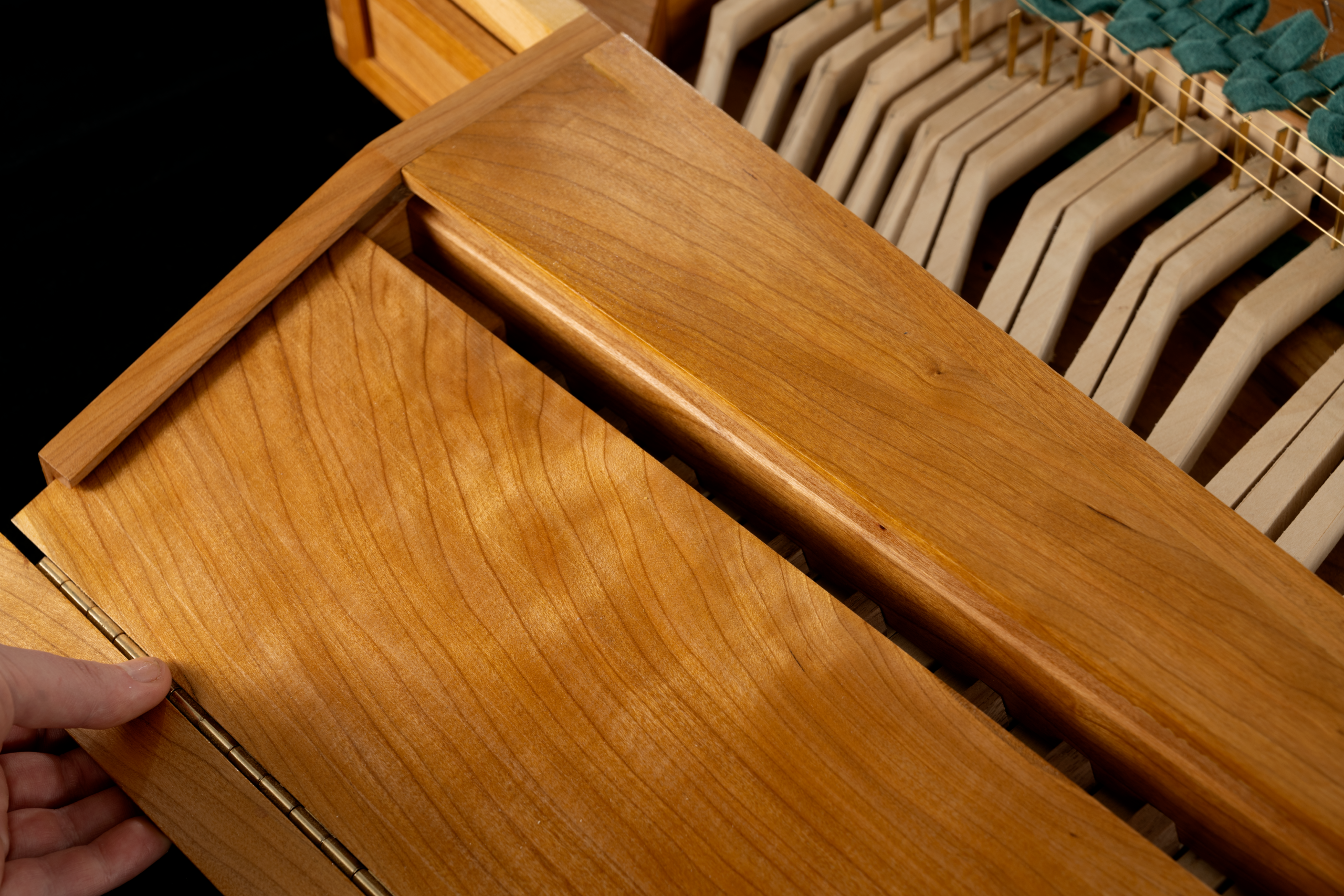
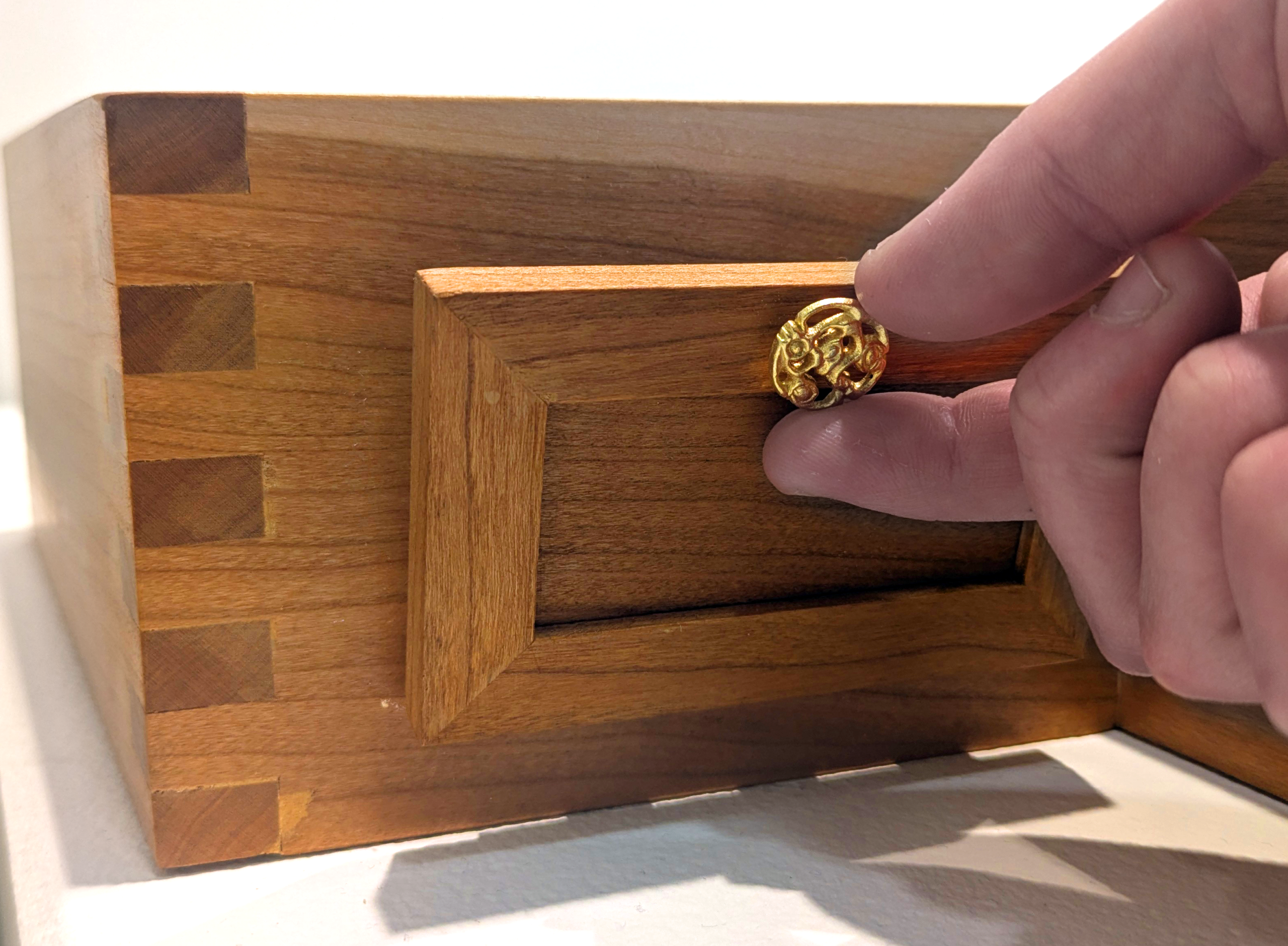
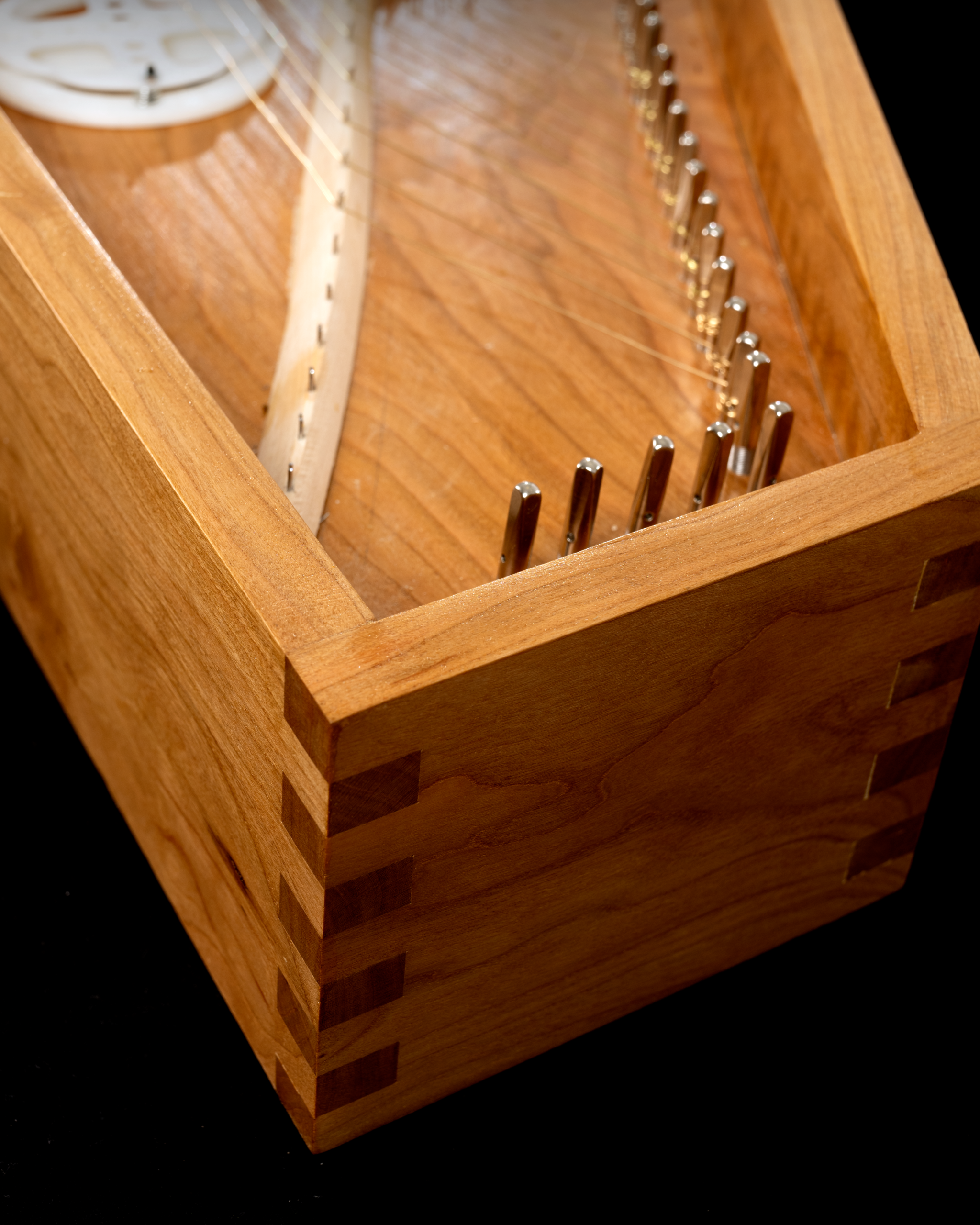
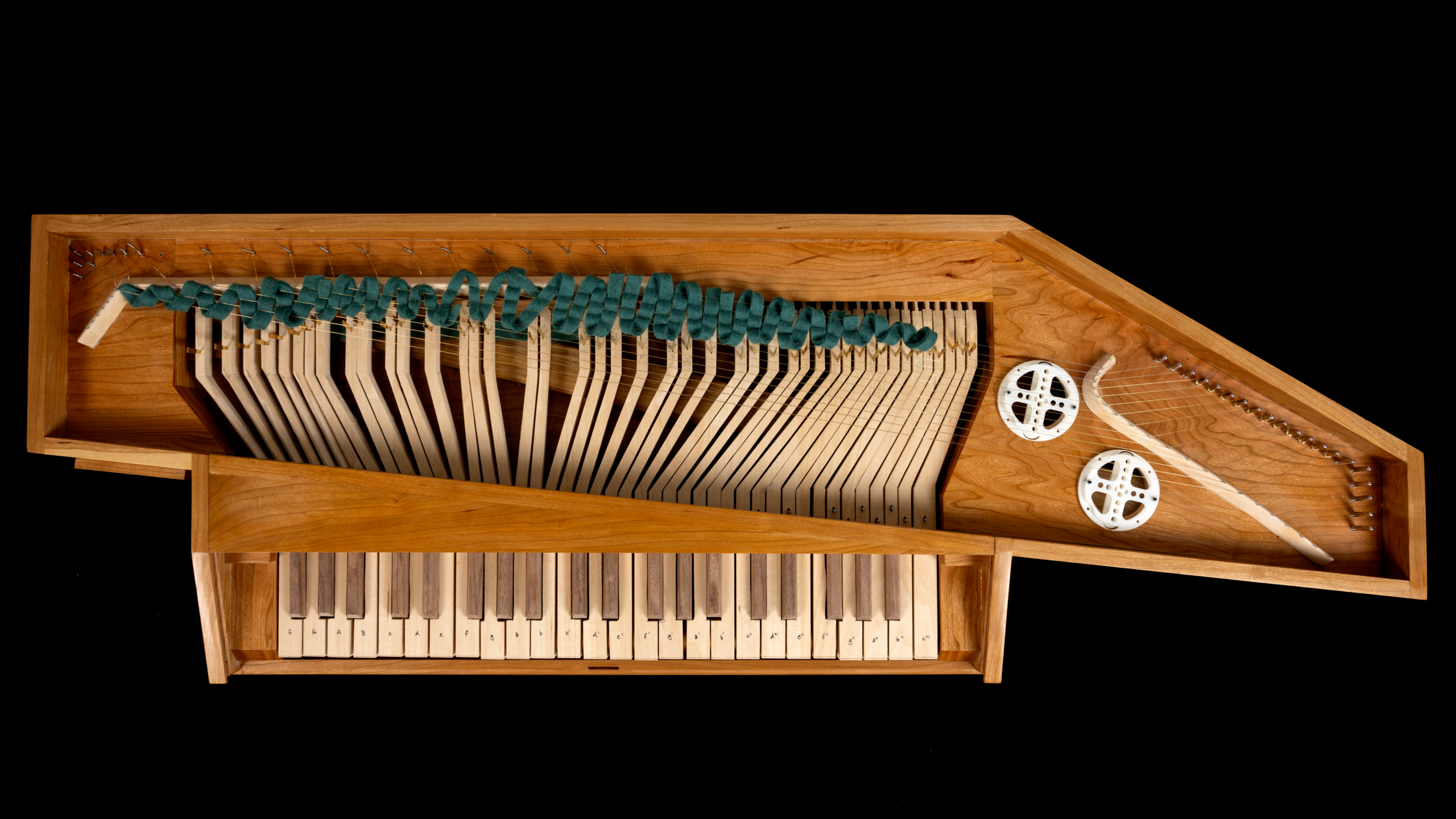
Designing a modern, non-digital keyboard instrument that meets current user needs including portability, possibilities for both practice & performance volumes and a modern aesthetic
Why use the Clavichord as a Precedent?
Almost all modern keyboard instruments are derived from the piano. While researching the modern keyboard industry, I found there were no widely available portable acoustic keyboard instruments, and also none quiet enough to use as a practice instrument. The clavichord is already designed for a very similar product niche, and with several updates such as eclectic pickups and a more modern casing, could be made to fit this currently unaddressed niche perfectly.
What is a Clavichord?
A clavichord is unique keyboard instrument popular in the 16th through 18th centuries. Like a piano, it is a keyboard chordophone, which means it produces sound using vibrating strings. However, the action (the mechanism that translates a pressed key into a sound) is completely different.
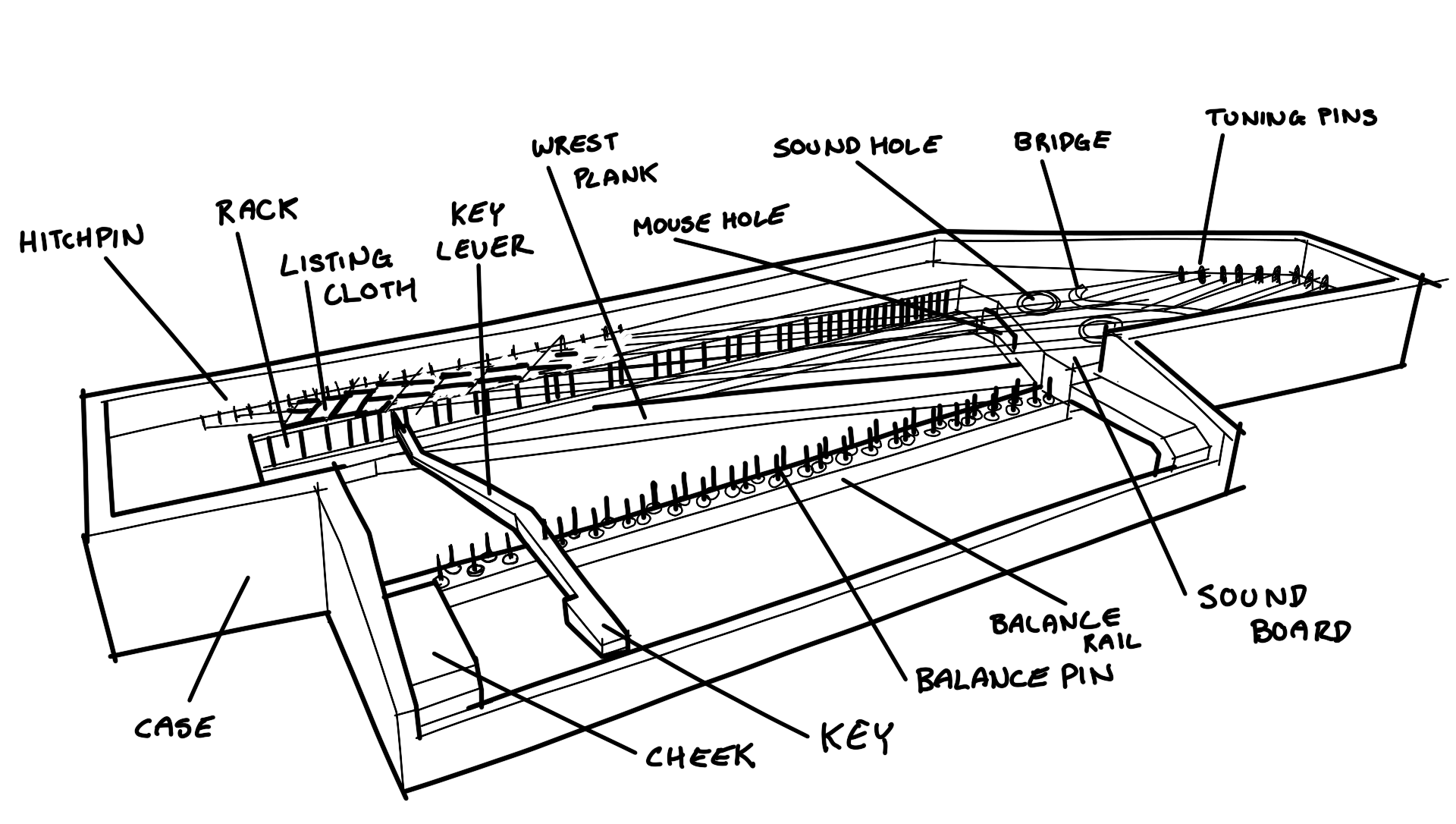
The clavichord’s action is at its core very simple and can be described as struck. The key is a simple lever, which pivots on a balance pin, causing a tangent (the piece of brass used to strike the string) to strike the string . The note sustains for the duration of the keypress, and the tangent is in contact with the string for the duration of the note. This is unusual for a keyboard instrument and allows for much more precise control of both volume and pitch. This gave the clavichord a niche as a delicate and emotive keyboard, in a time when many keyboard chordophones were much almost percussive (before the piano, most keyboard chordophones were not capable of dynamic variation). Another artifact of this mechanism is a relatively low output volume, which made it popular as a practice instrument and in domestic settings.

Process Phase I: Research
The research phase of this project consisted of initial book research on the histories and types of keyboard instruments. Because this project is so focused on mechanical and construction aspects, I then moved to replicating and modeling as a form of research.
Action Study Models
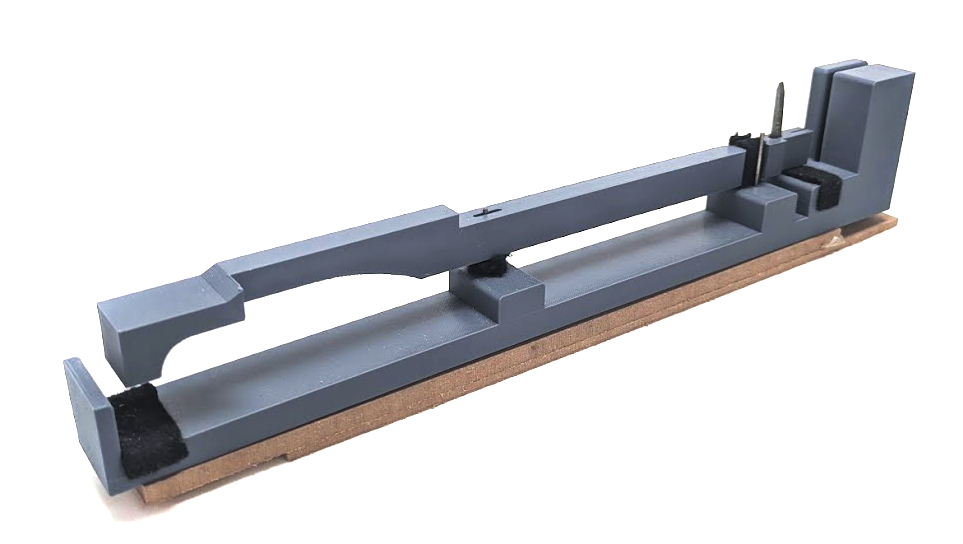
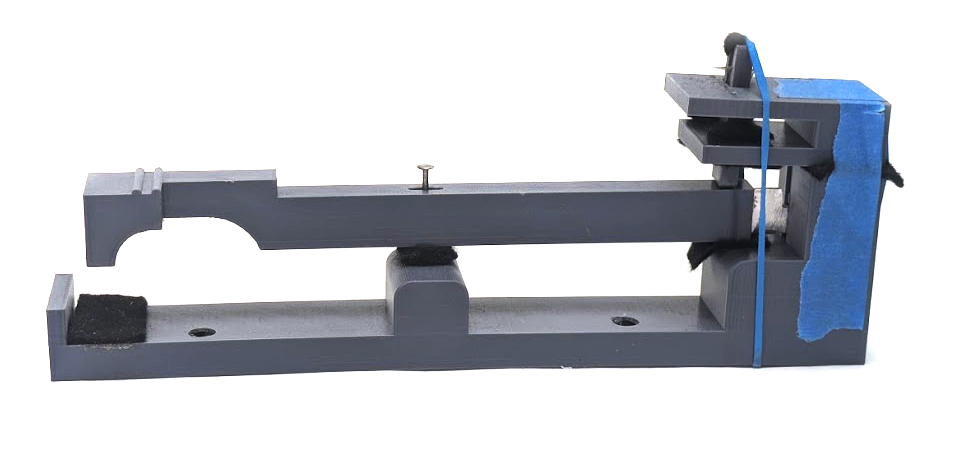
Models made to study the action system of a clavichord and virginal.
Octave Replica
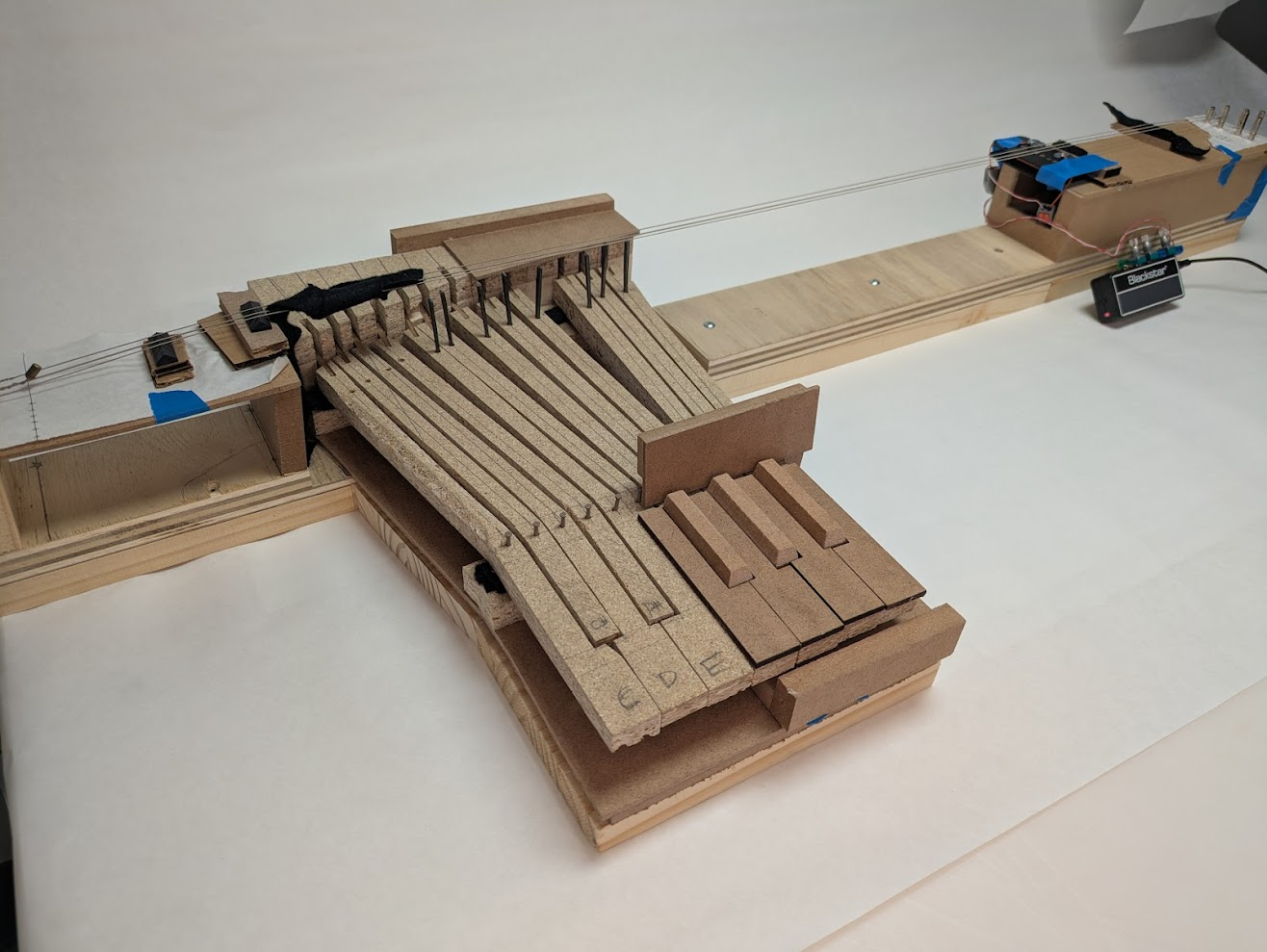
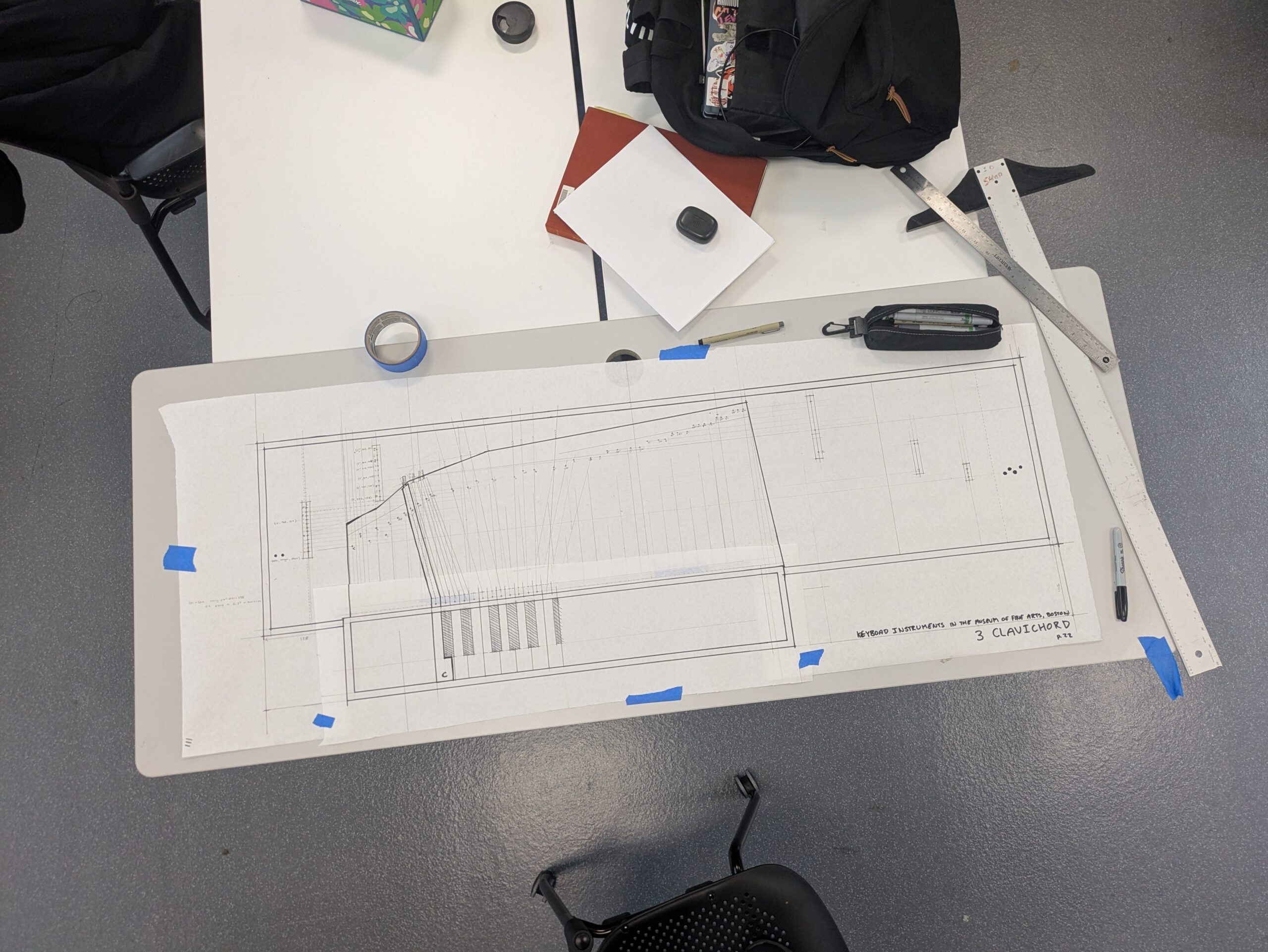
Replica of one octave of the fretted Italian clavichord at the Museum of Fine Art (accession no. 17.1796). This was done by drafting a 1:1 top-down sketch using the measurements described in Musical Instruments of the Museum of Fine Arts, Boston (Koster, Kirk, and Germann 1994, 22), and building the instrument out on top of it.
Process Phase II: Design
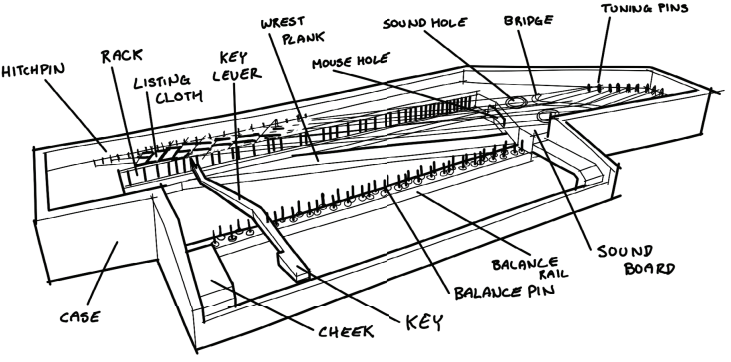
Parts of the clavichord
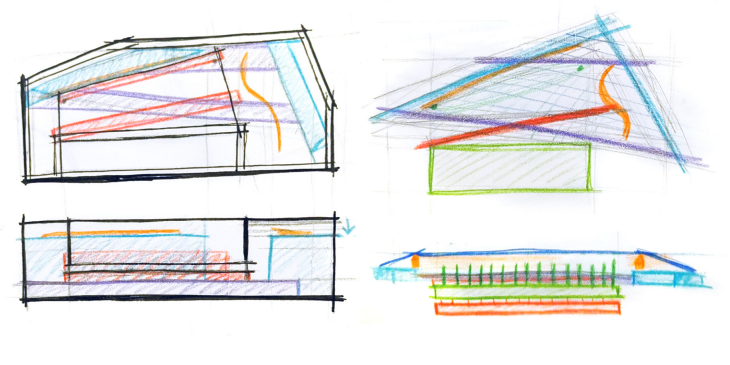
A standard shaped clavichord (left) broken down into parts and redrawn using only the integral parts to create the most theoretically pared down possible instrument. There are obvious issues with this design such as the lack of any soundboard and various floating parts, but it is useful conceptually for the design.
Some detailed pages are here:
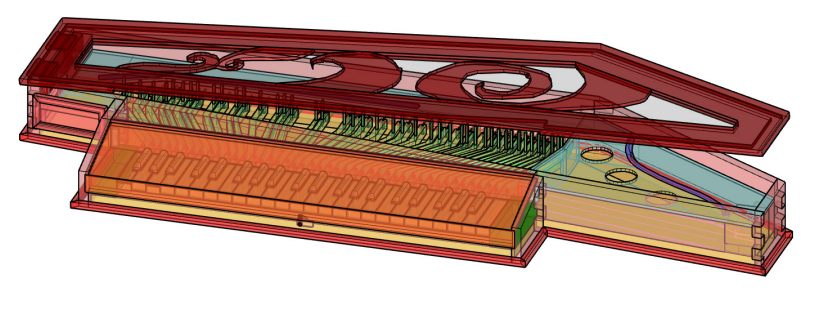
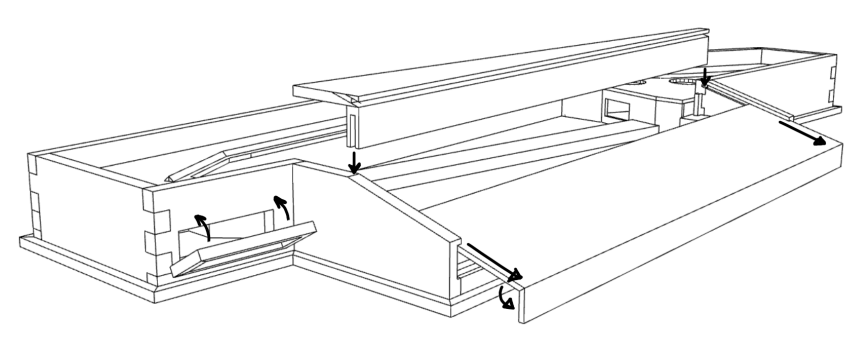
The instrument finalized designed with woodworking in mind. Modeled in SketchUp showing moving parts of the box.
Process Phase III: Build
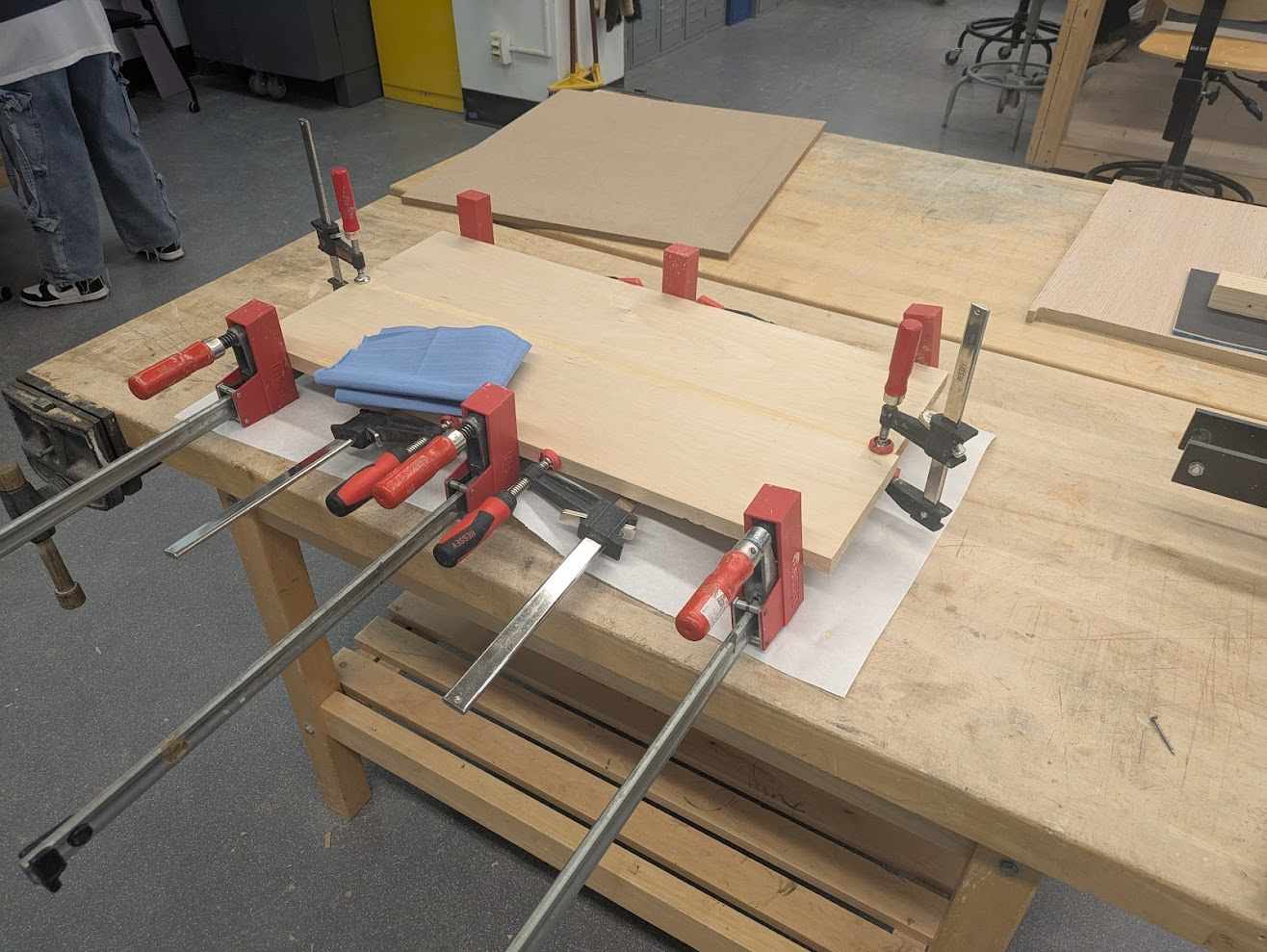
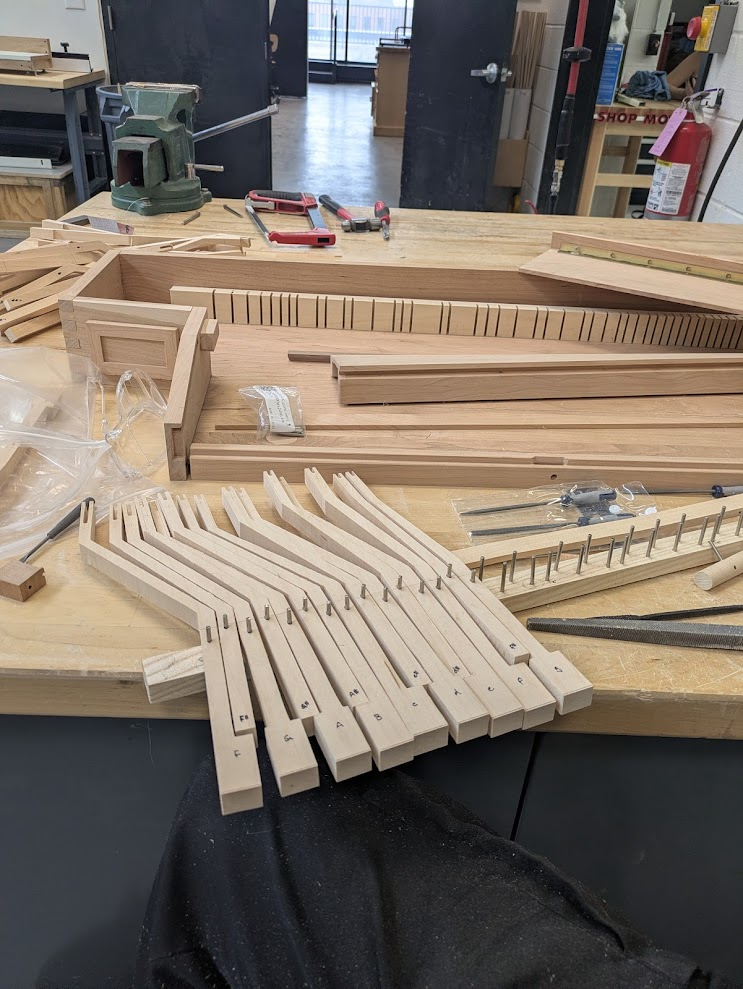
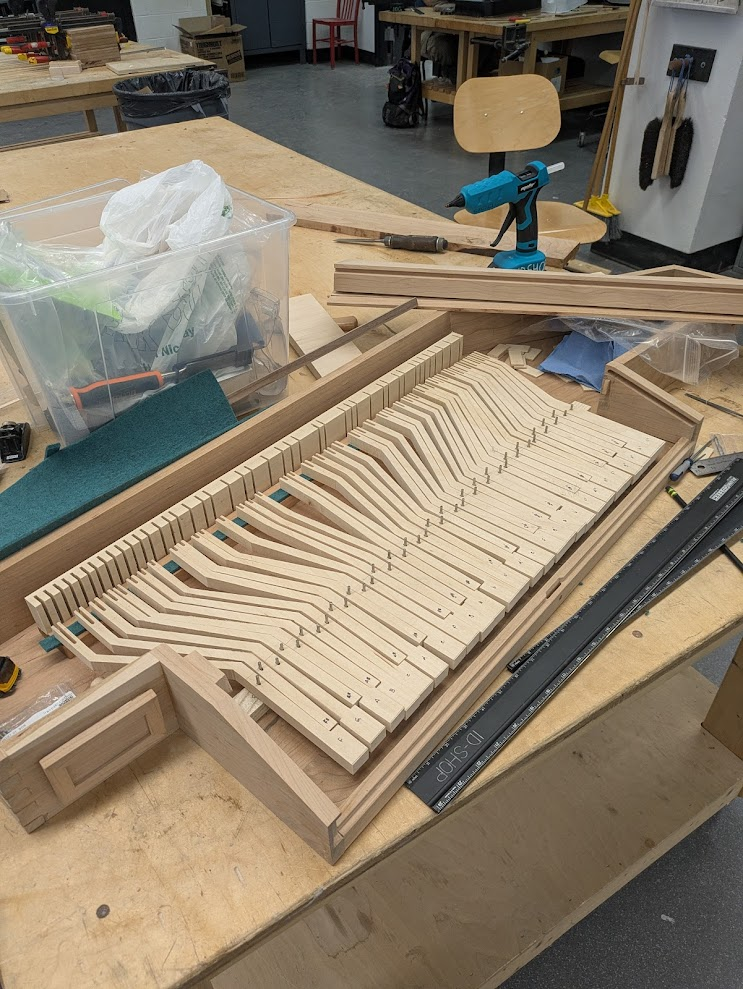
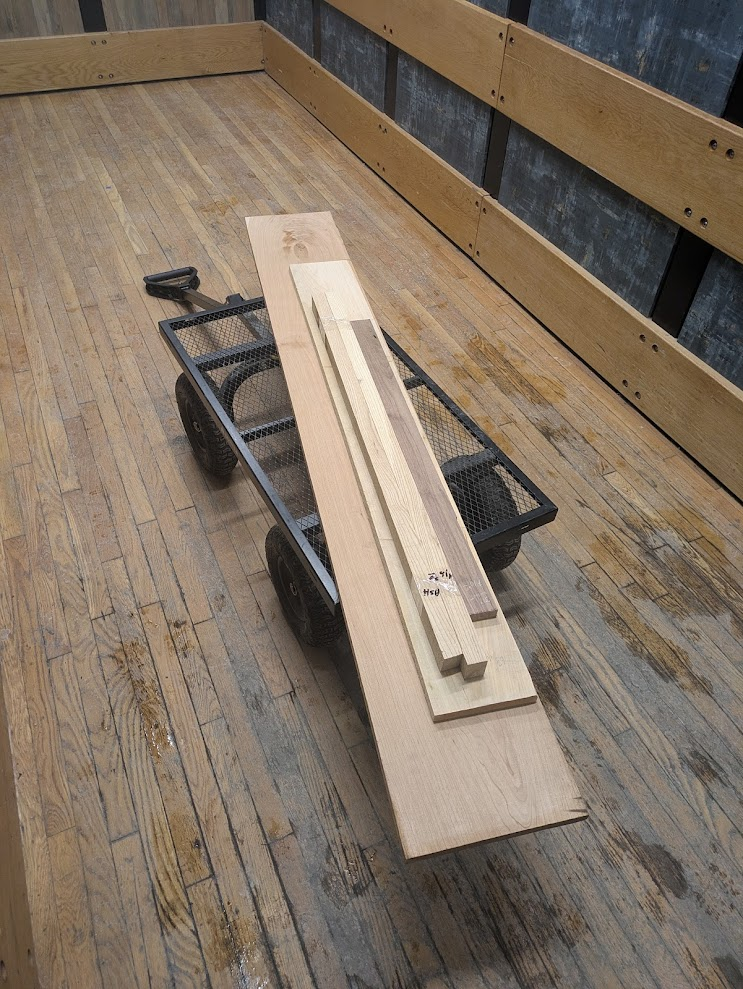
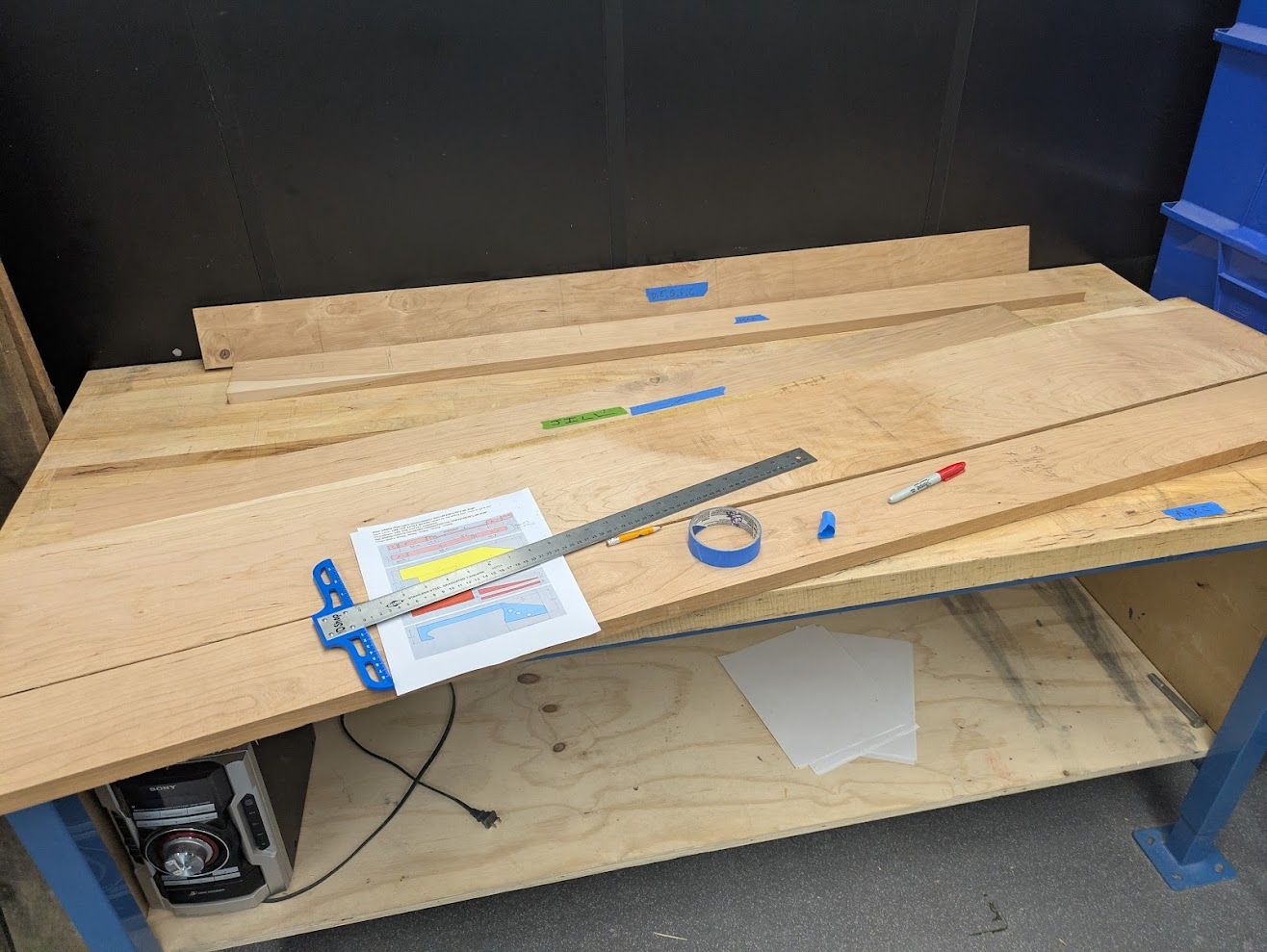
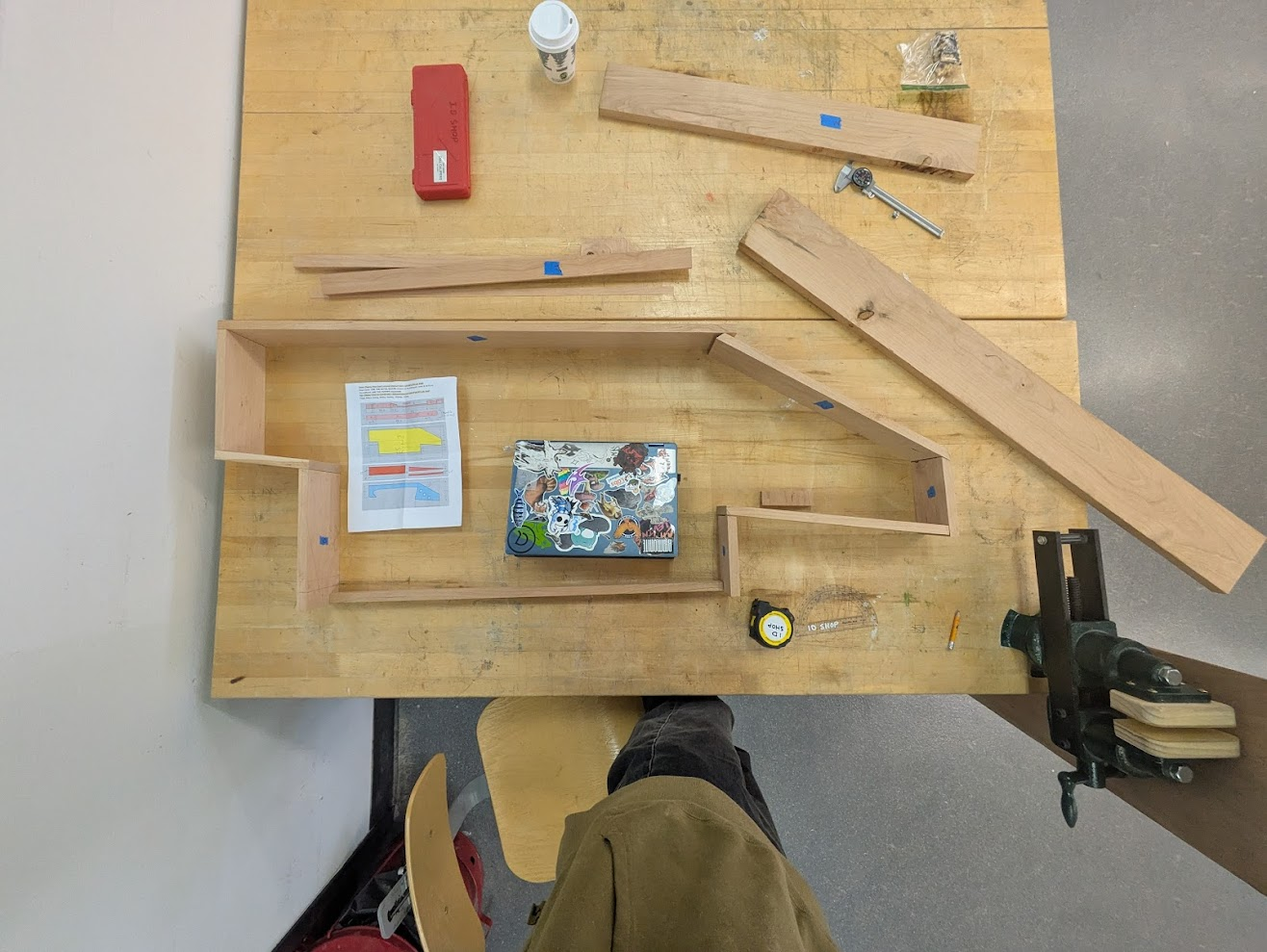
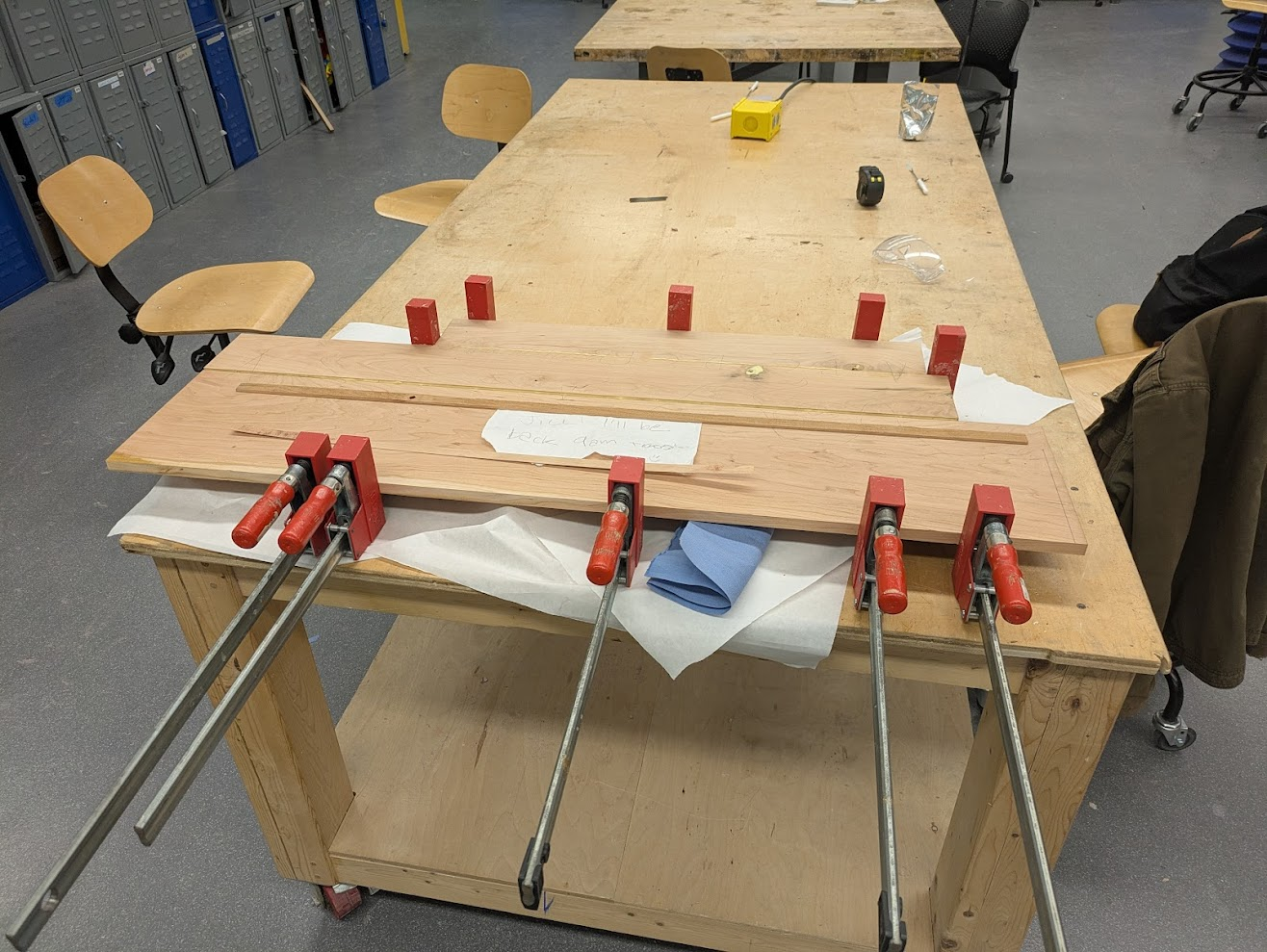
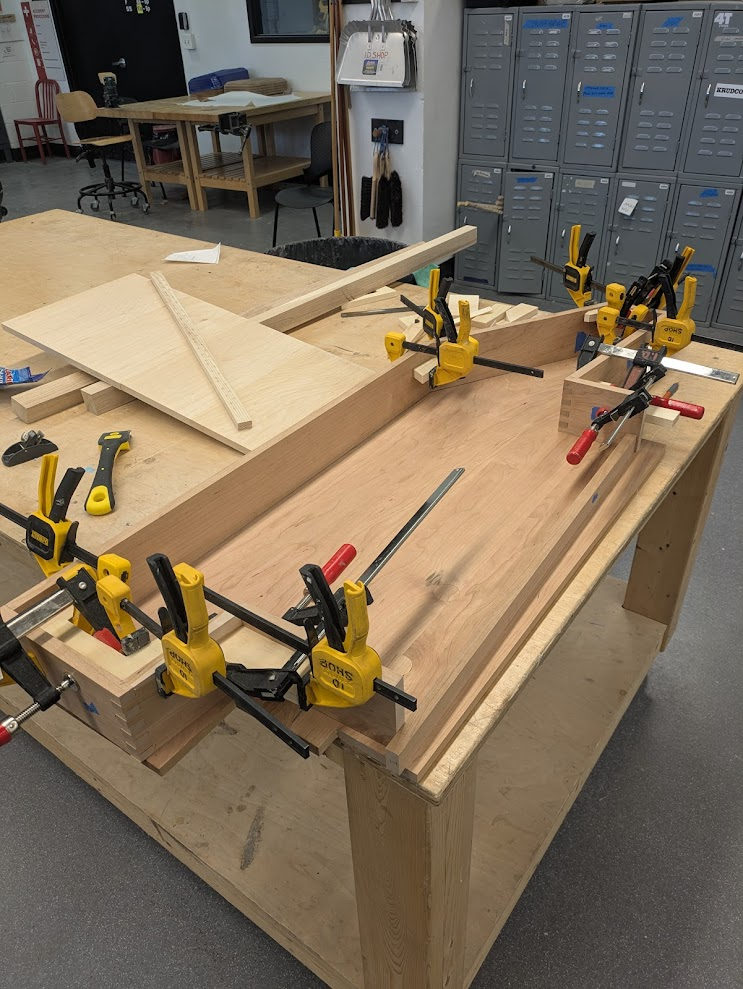
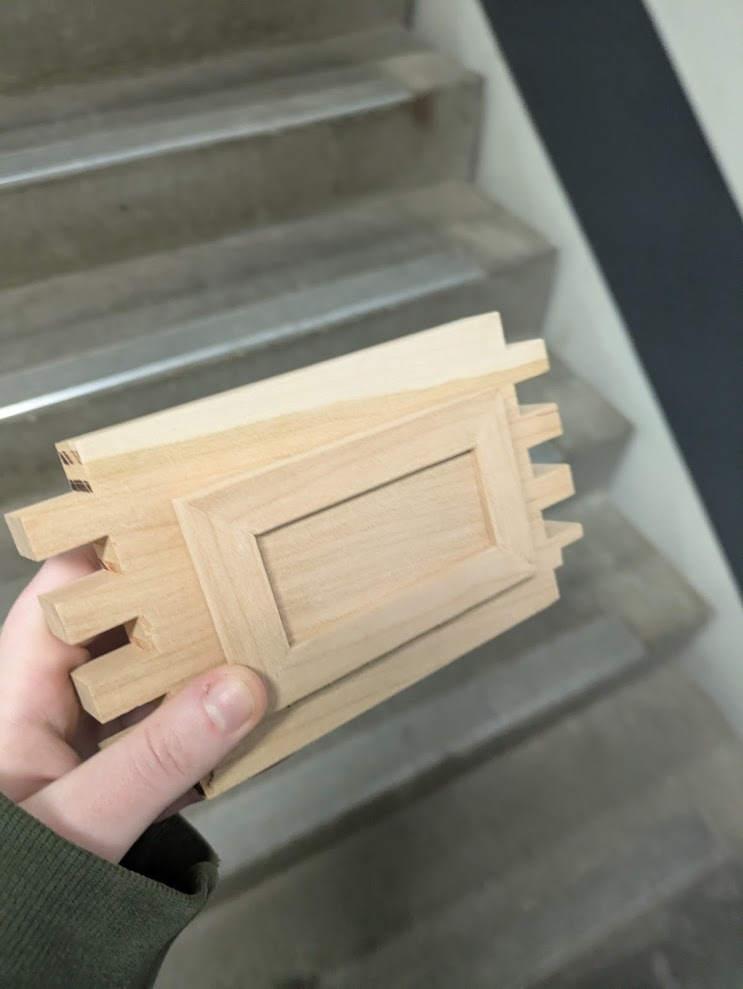
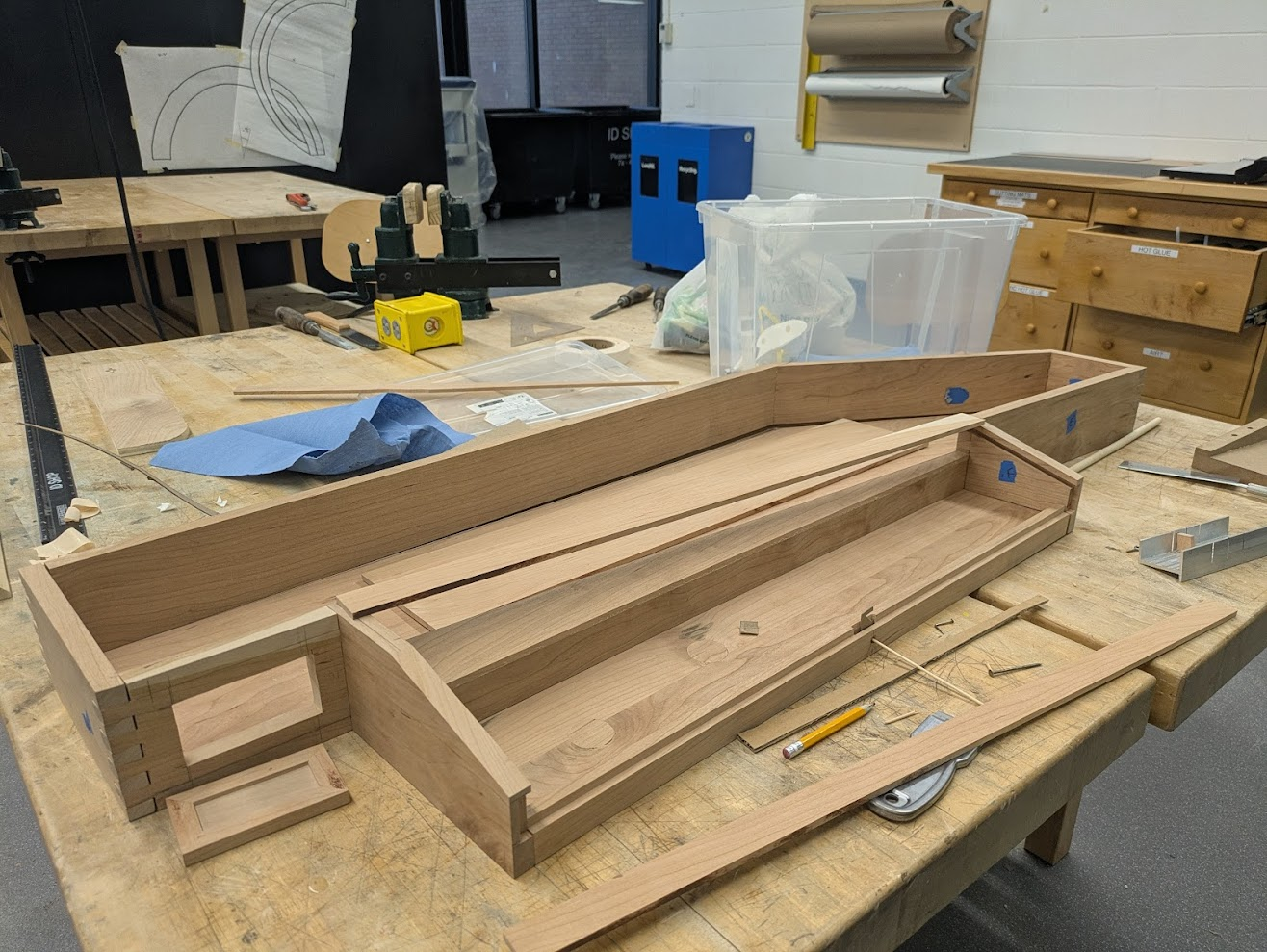
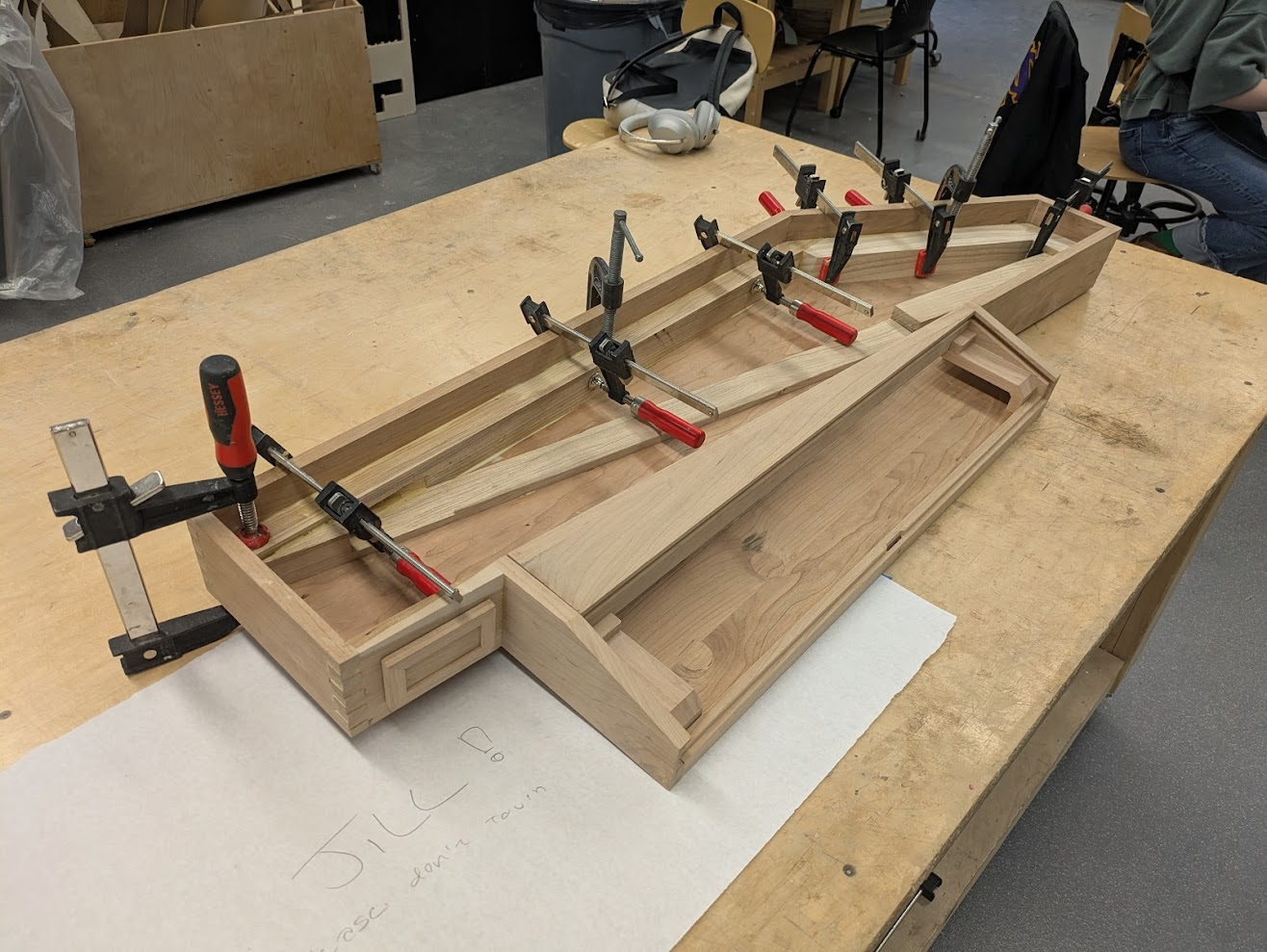
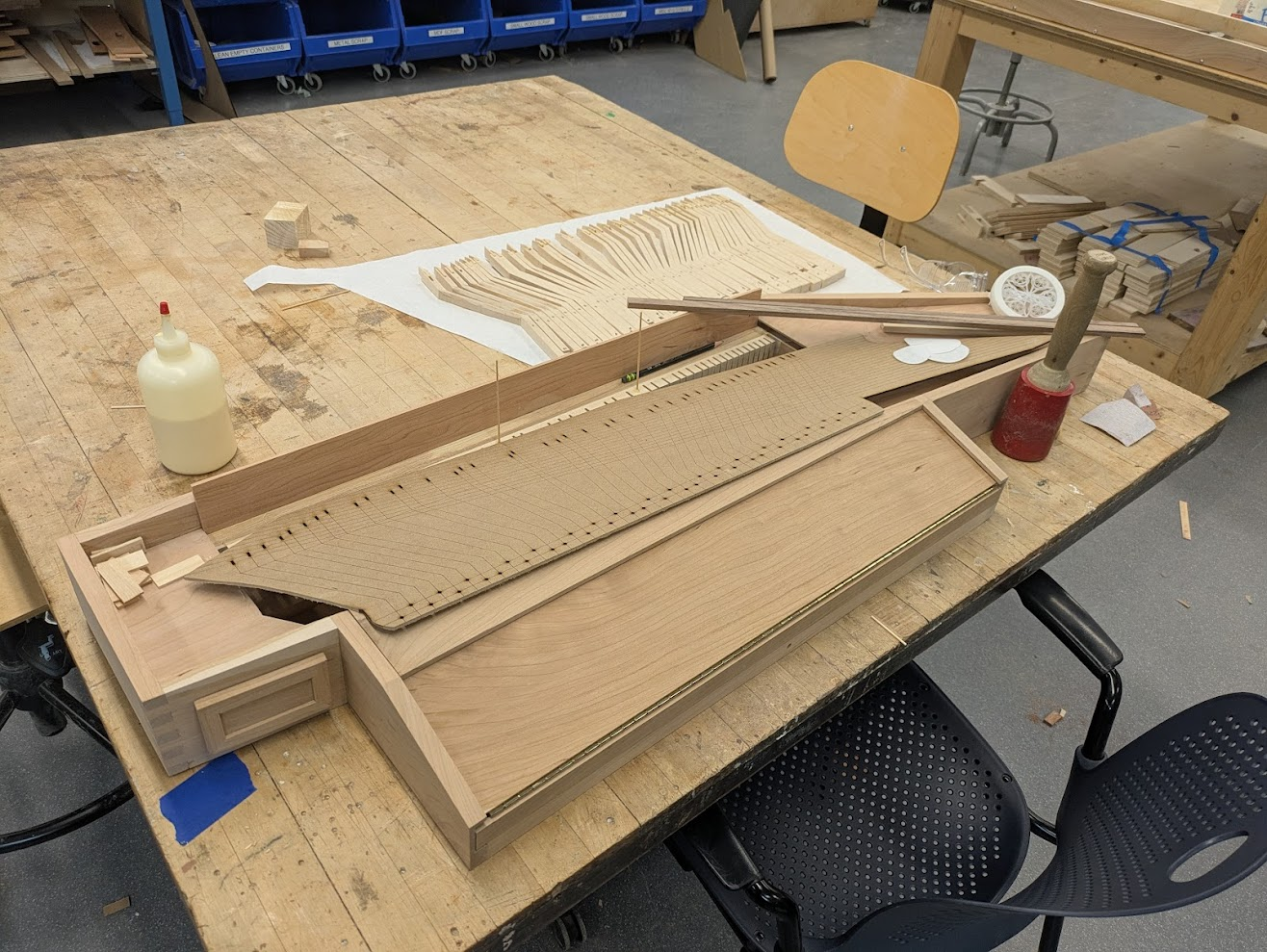
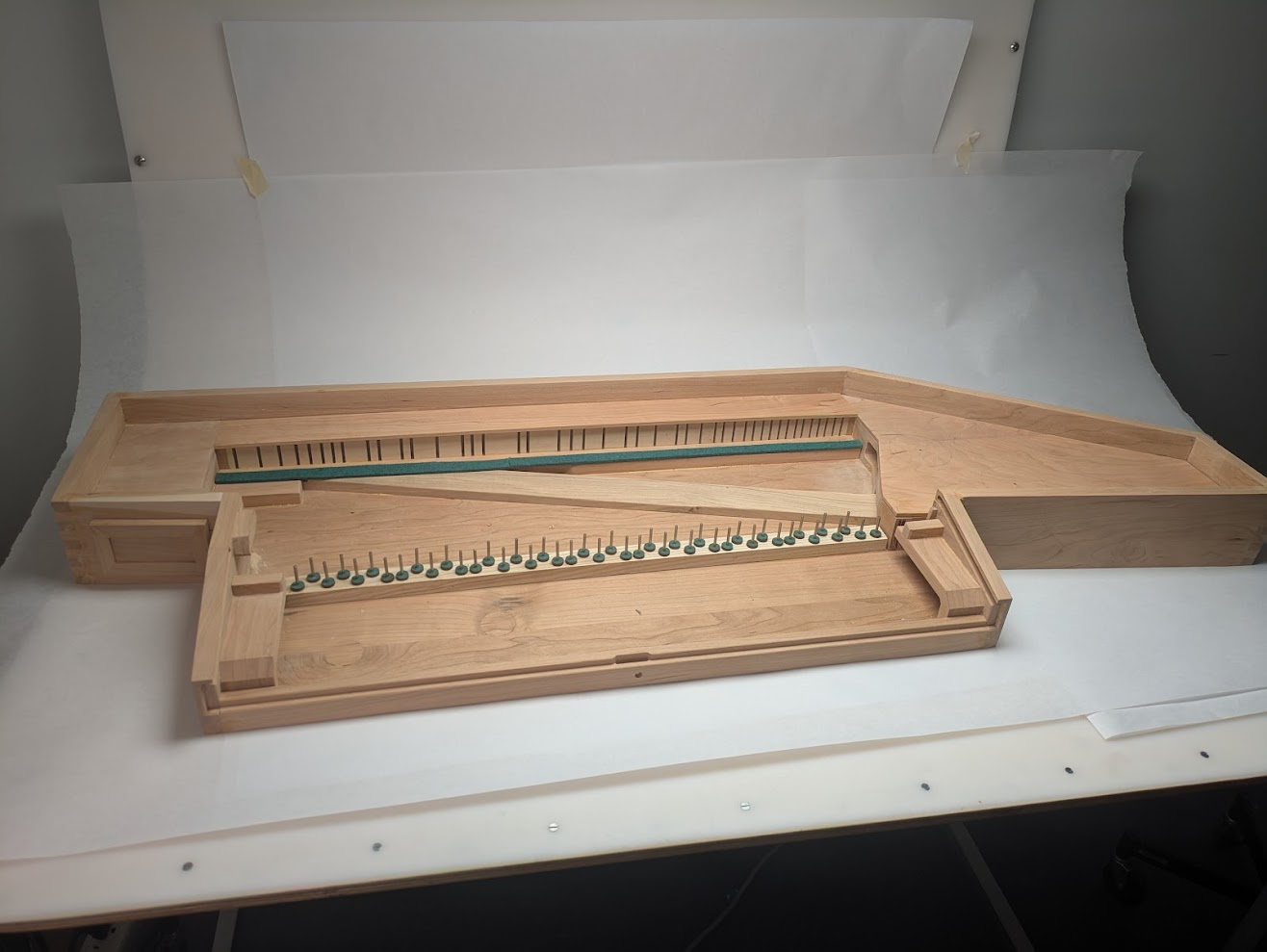
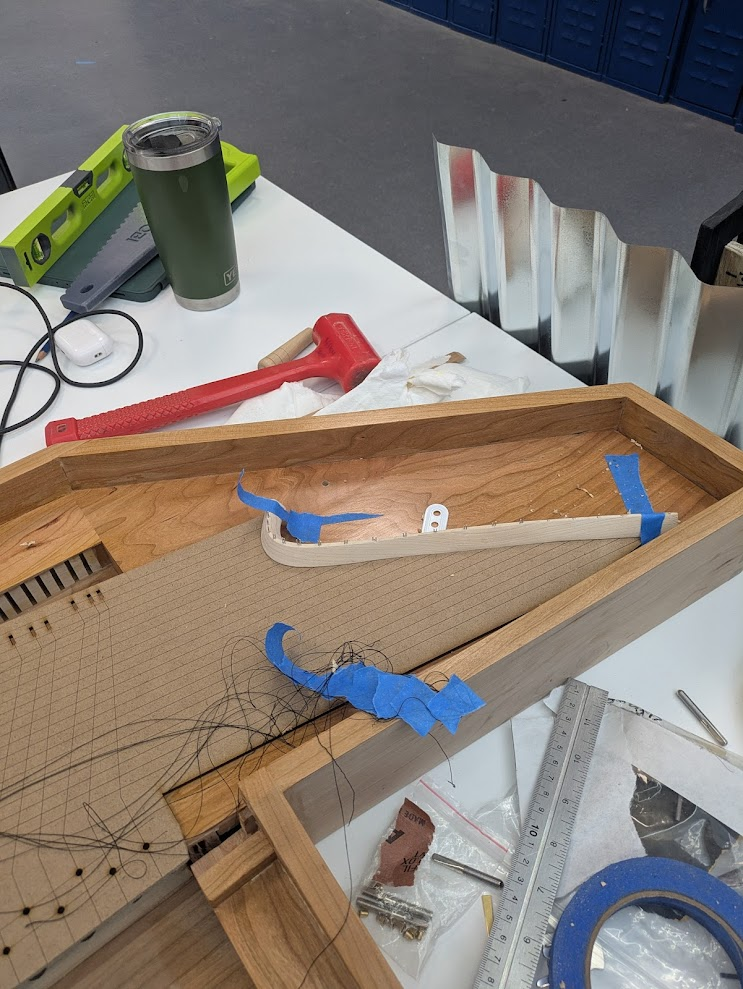
This build was two sections that came together in the end: the keyboard, and the case.
The Case:
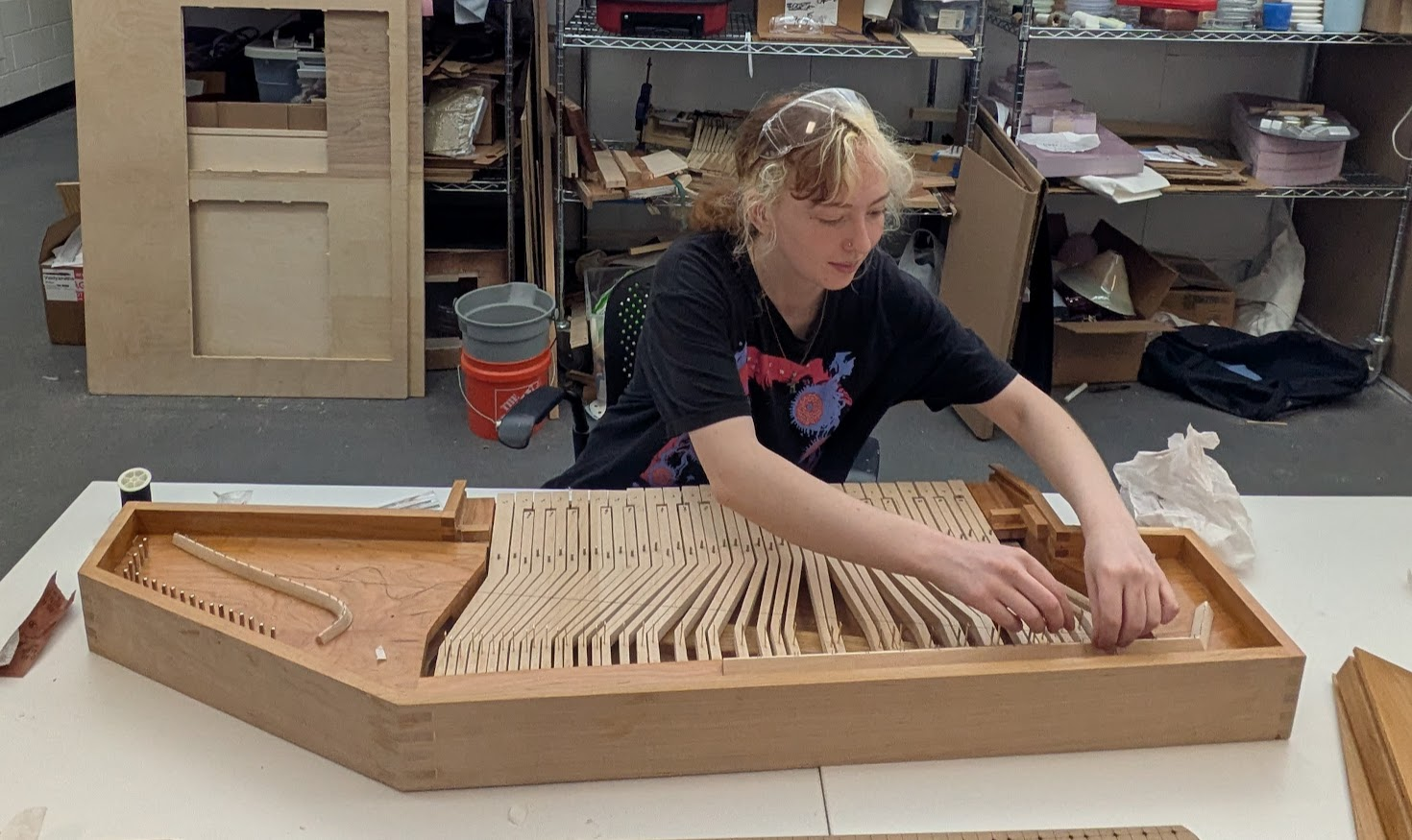
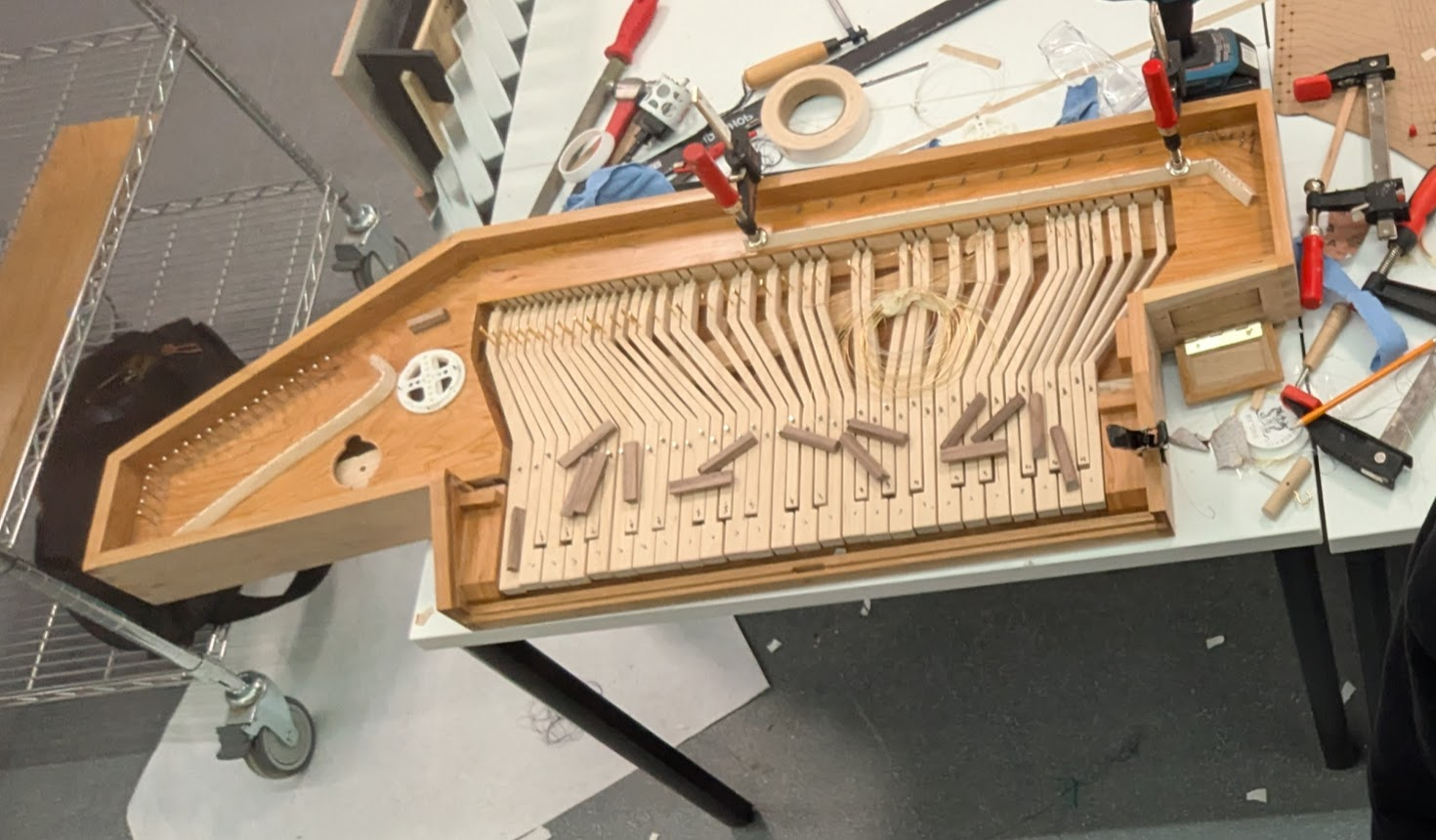
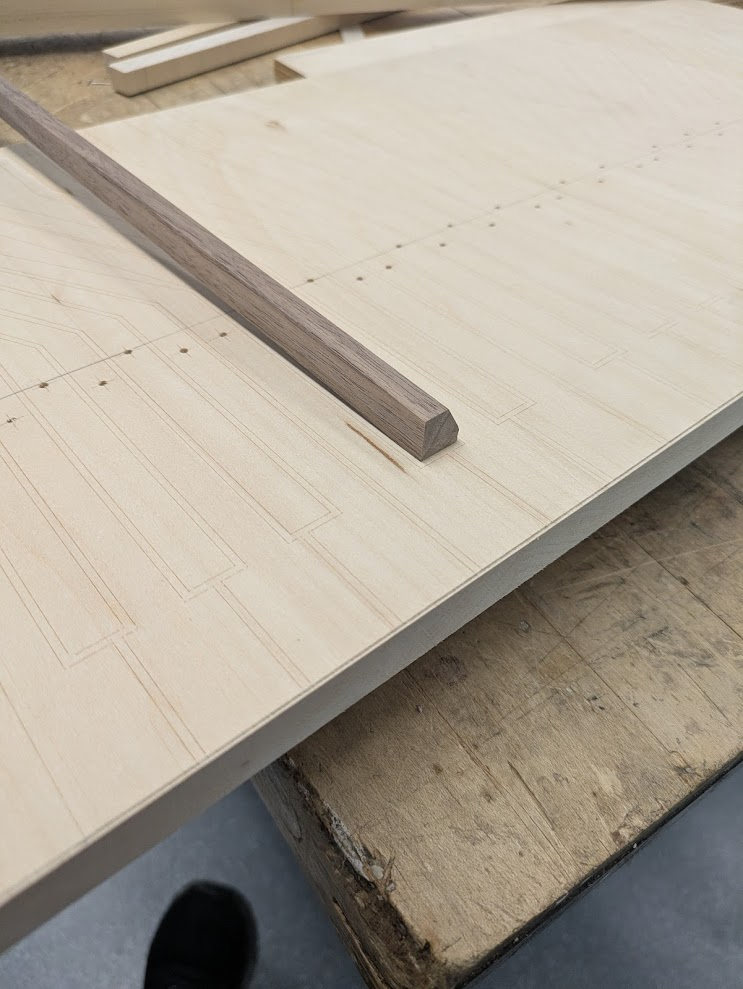
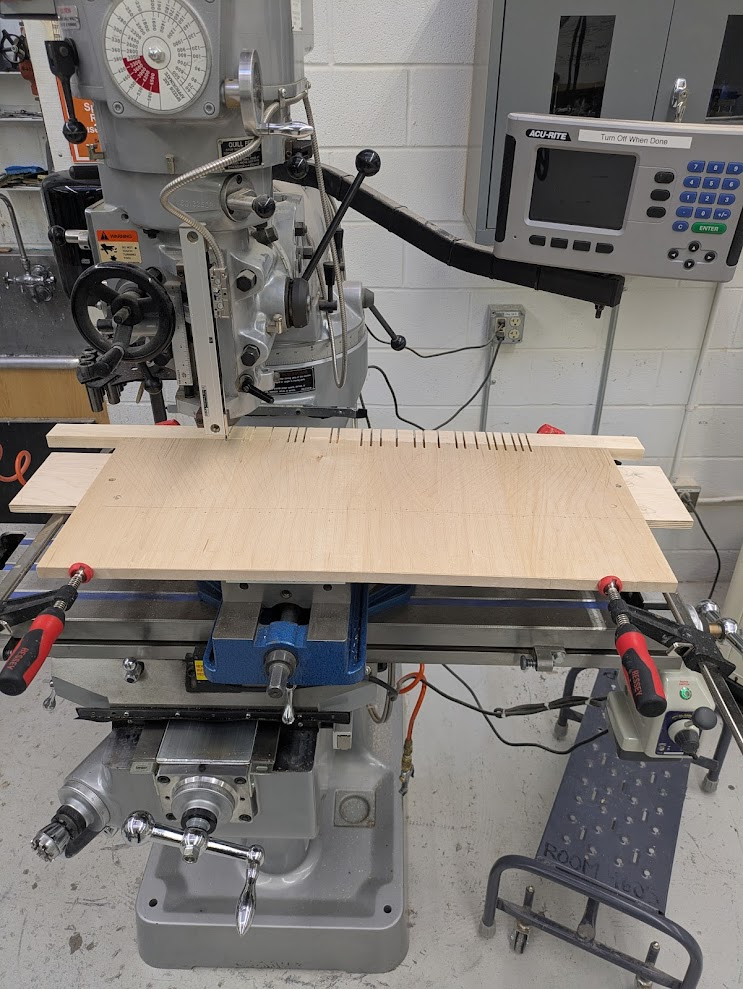
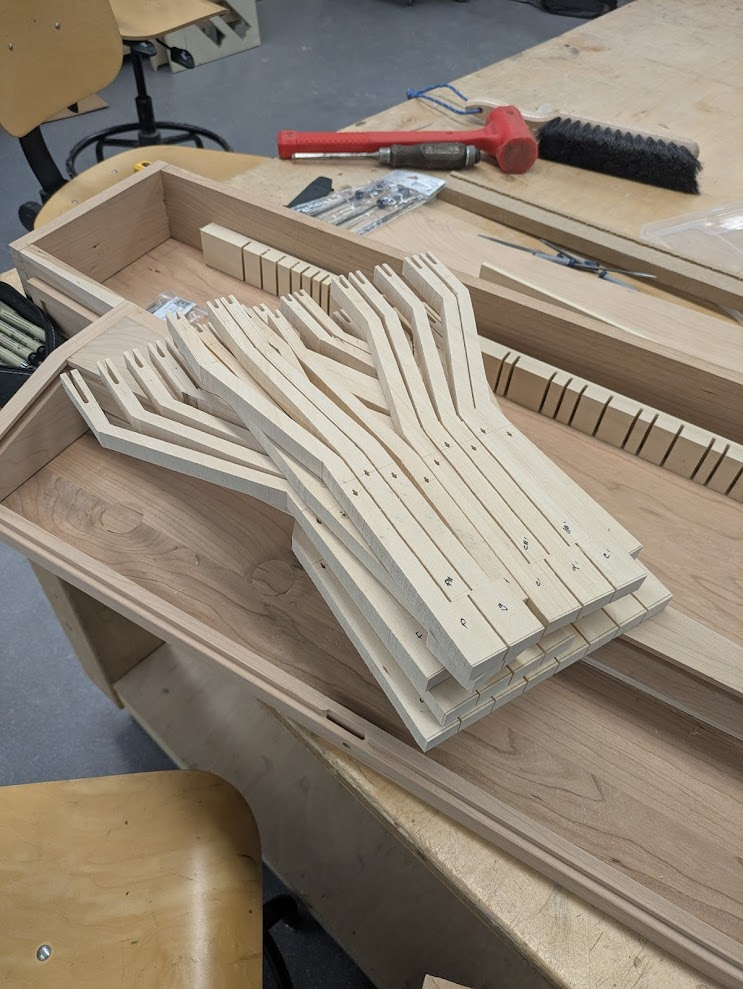
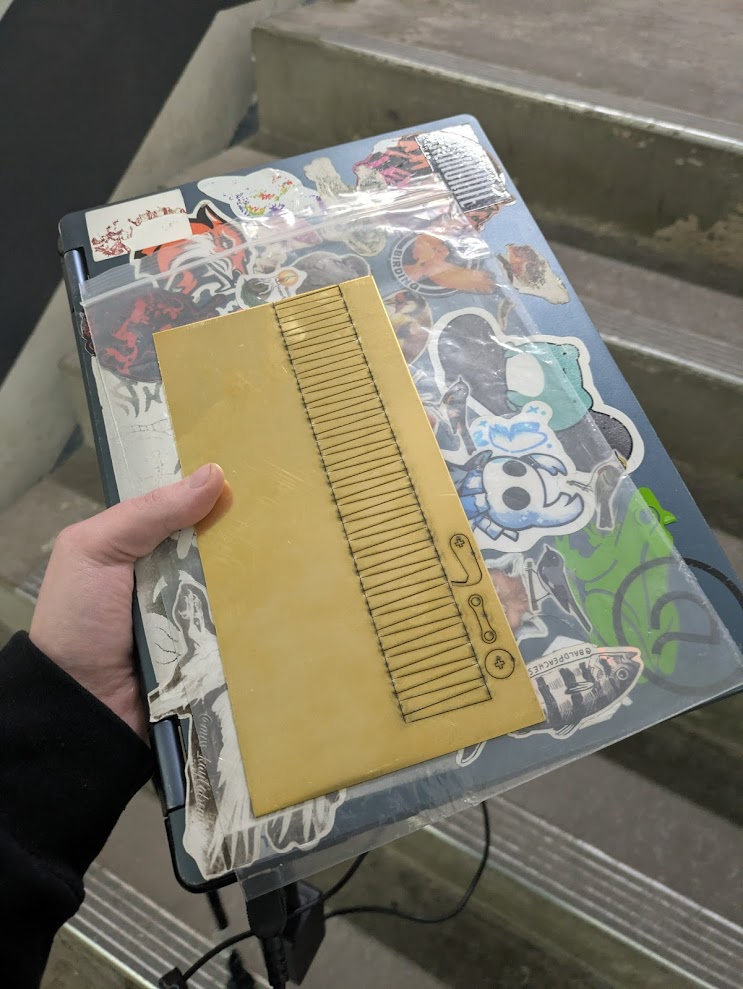
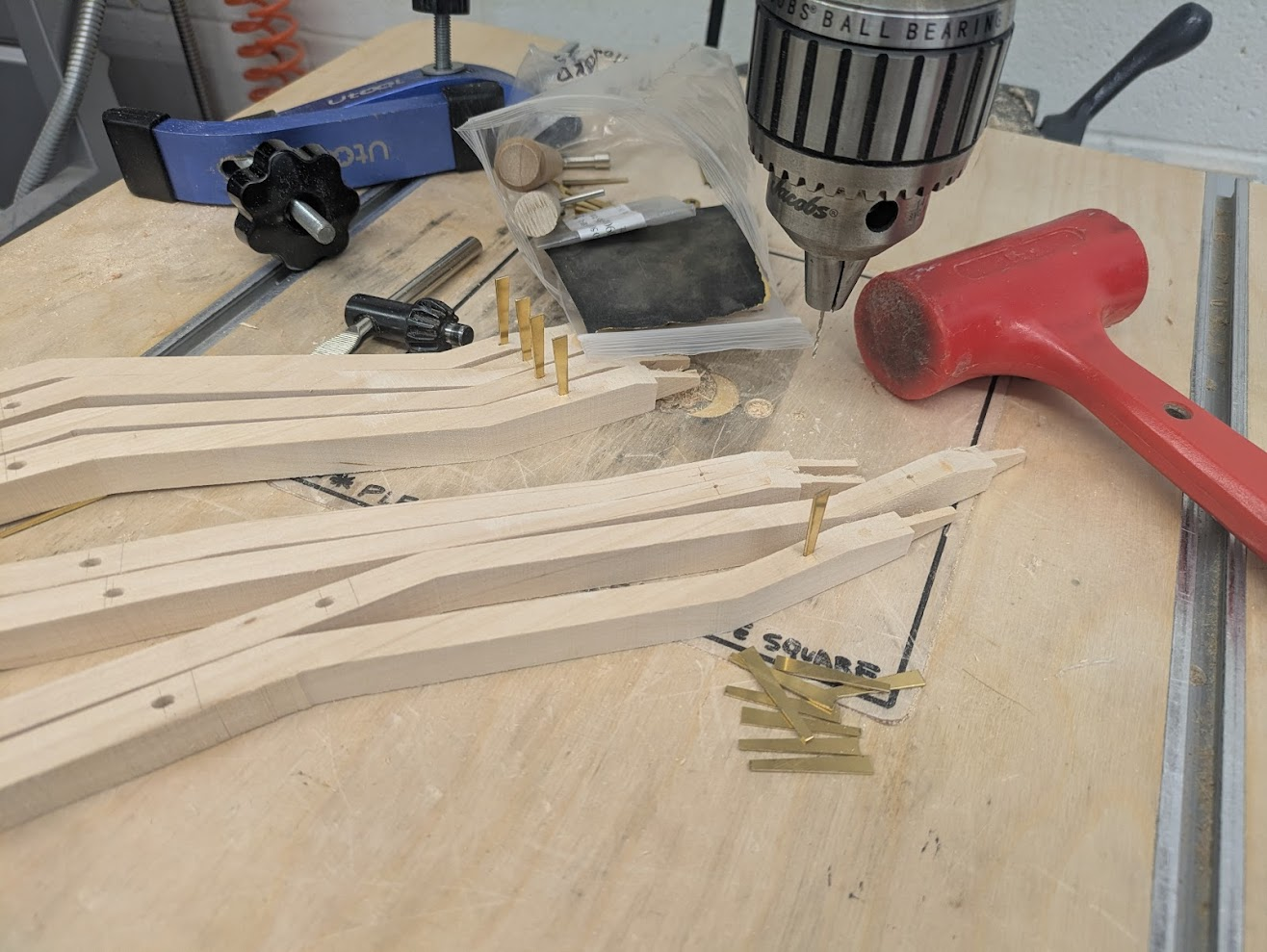
The Keyboard